Guide To Local Guttering: The Intermediate Guide To Local Guttering
페이지 정보

본문
Understanding the Importance of Local Guttering: A Comprehensive Guide
When it pertains to keeping a home, lots of property owners may overlook the function of guttering in securing their investments. Guttering is an essential component of any building's drainage system, playing a considerable function in carrying rainwater far from the structure. This blog post will dig into the importance of local guttering, its numerous types, and maintenance ideas to ensure longevity, eventually securing your property from water damage.
What is Local Guttering?
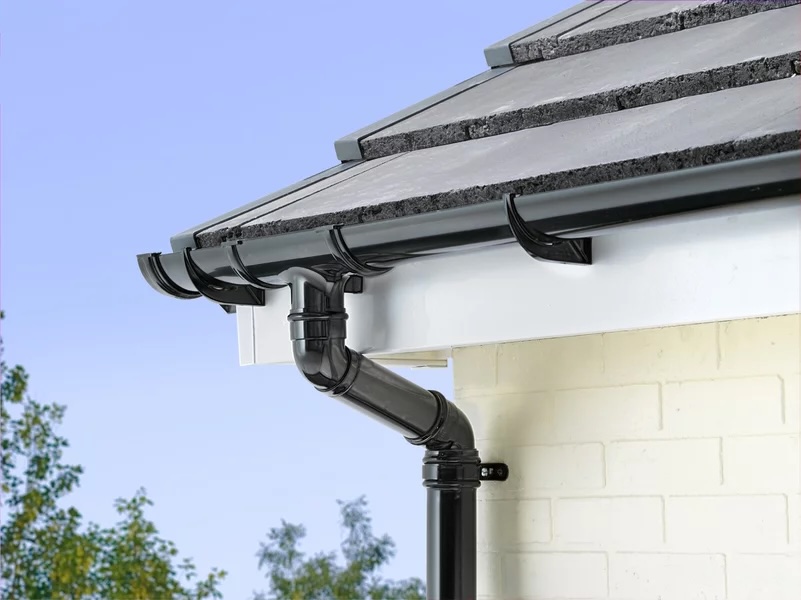
Local guttering describes the particular gutter setups within a localized location, typically serving homes and structures in a neighborhood. These systems are created to collect rainwater from roofings and direct it safely away from the foundation of a structure. The significance of guttering can not be overemphasized; without it, water can build up around a building's foundation, possibly resulting in severe structural damage, mold development, and landscape disintegration.
Kinds of Guttering
There are several types of gutter systems offered, each with its benefits and disadvantages. Below is a thorough table describing the most typical kinds of guttering used in areas:
| Type of Gutter | Material | Benefits | Downsides |
|---|---|---|---|
| K-Style | Aluminum, Copper | Elegant style, holds more water, easy to install | More pricey than other types, susceptible to denting |
| Half-Round | Copper, Galvanized | Aesthetic appeal, helpful for historical homes | Lower water-holding capability, harder to set up |
| Box Gutter | Steel, Aluminum | Personalized, ideal for flat roofing systems | Requires professional installation, can be costly |
| Seamless Gutter | Aluminum, Vinyl | Little possibility of leakages, custom-fit | Minimal in length, requires specialized installation |
| ** Underground Gutter | PVC, Corrugated | Discreet, avoids erosion of landscape | More complex installation, prospective obstructing problems |
Benefits of Properly Installed Guttering
Buying a Local Guttering (Check Out Vidublog) system uses numerous benefits, including:
- Protects Your Foundation: By directing water far from the base of your home, guttering lessens the risk of structure damage.
- Prevents Basement Flooding: Proper guttering keeps water from pooling around the structure, decreasing the opportunities of basement flooding.
- Safeguards Landscaping: Reliable Guttering helps keep the visual appeals of your outside spaces by avoiding soil erosion and damage to plants.
- Prevents Mold and Mildew: By reducing excess wetness around your home, guttering reduces the likelihood of mold and mildew growth.
- Boosts Property Value: A well-maintained gutter system can improve the overall value of your home by avoiding water-related issues.
Maintenance Tips for Gutter Systems
While guttering serves its purpose successfully, regular maintenance is vital for maximizing its life expectancy and performance. Here are some important maintenance ideas:
1. Regular Cleaning
- Frequency: Clean gutters at least twice a year, ideally in spring and fall.
- Procedure: Remove leaves, twigs, and other particles. Think about utilizing a gutter scoop for efficient cleaning.
2. Inspect for Damage
- Visual Inspection: Regularly check for rust, fractures, or sagging sections.
- Professional Check-Up: Hire a professional for a more thorough evaluation, especially after extreme weather events.
3. Make Sure Proper Downspout Functionality
- Instructions: Ensure downspouts direct water far from the structure, ideally at least 6 feet away.
- Extensions: Use downspout extensions if essential for much better drainage.
4. Look for Clogs
- Particles: Look for areas where particles may accumulate and obstruct the flow of water.
- Gutter Guards: Consider setting up gutter guards to reduce the build-up of leaves and other particles.
5. Repairing Leaks
- Sealant: Use a premium sealant to repair small leaks.
- Professional Repair: For substantial concerns, hire a professional to fix leaks and reseal joints.
Local Guttering FAQs
Q1: How often should I clean my gutters?
A: It's recommended to clean your gutters at least two times a year-- when in spring and as soon as in fall. If you live near a lot of trees or experience heavy rain, you may require to clean them more frequently.
Q2: What are some indications that my gutters need repair?
A: Signs include water pooling around your foundation, drooping or misaligned gutters, visible rust or holes, and peeling paint on the exterior of your home.
Q3: Can I set up guttering myself?
A: While DIY installation is possible, it requires skill and knowledge of roof and drainage systems. Employing a professional is often recommended for seamless installation.
Q4: What kind of guttering is best for my home?
A: The best type of guttering depends upon elements such as your home's architecture, local environment, and individual choice. Consulting with a local professional can help you make an informed decision.
Q5: Are gutter guards worth the financial investment?
A: Gutter guards can conserve you time and money in the long run by decreasing the frequency of cleaning and preventing clog-related concerns.
Local guttering is an important part of preserving a home's integrity and avoiding water damage. By understanding the kinds of guttering readily available, their advantages, and the value of routine maintenance, house owners can ensure their residential or commercial properties stay safe and well-protected. Whether you choose a DIY method or employ a professional, investing time and resources into your gutter system is a decision that will settle in the long run. Remember, a well-functioning guttering system isn't practically avoiding leakages; it's about protecting your home and protecting its worth for many years to come.
- 이전글Foster Plumbing & Heating 26.04.09
- 다음글제주 파워약국 남성 자신감 회복이 필요한 순간, 아이코스 드래곤 효과 정리 26.04.09
댓글목록
등록된 댓글이 없습니다.